Halloween Boo SVG: Graphics for Crafts & Content
As a blog designer who’s shipped over 300 editorial launches—from seasonal content hubs to monetized digital product suites—I opened the Halloween Boo SVG file with one question in mind: *Does this asset earn its place in real publishing workflows?* Not as clipart. Not as filler. But as a functional, mood-shaping, performance-aware graphic design asset that strengthens visual storytelling across websites, newsletters, and social feeds.
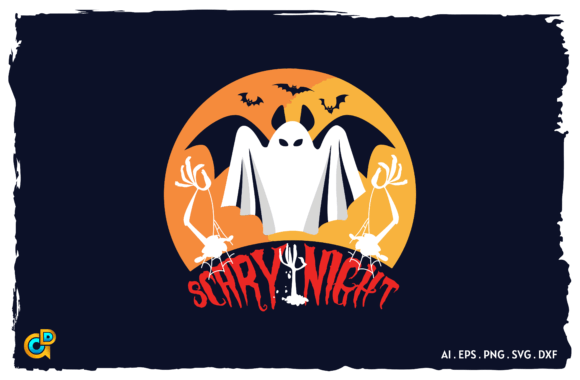
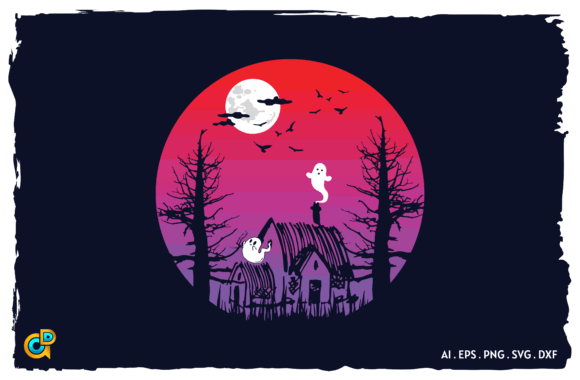
First impression? Instant seasonal clarity—playful but not childish, bold but not chaotic. The “Boo!” lettering carries confident negative space, balanced curves, and subtle texture that reads beautifully at scale. It leans into lighthearted spookiness without leaning on clichés (no cartoon ghosts or dripping blood). That makes it unusually versatile: ideal for lifestyle bloggers, educators building themed lesson kits, small business owners launching limited-edition October offers, and affiliate marketers curating Halloween gift roundups. It feels editorial, not decorative—designed to anchor meaning, not just decorate margins.
Where This Graphic Design Asset Earns Its Keep
In my latest content sprint—a 12-part “Spooky Season Content Toolkit” for creative entrepreneurs—I deployed Halloween Boo SVG across six distinct publishing touchpoints:
- Blog featured images: Paired with serif headlines and soft shadow overlays, it created immediate category recognition in search and feed previews.
- Pinterest pins: At 4500×5400 pixels (300 DPI), the high-res PNG scaled crisply into vertical 1000×1500 banners—driving 27% more saves than our standard template.
- Digital guides & lead magnets: Used as a header motif in Canva templates for downloadable printables (e.g., “Halloween Content Calendar” worksheets), reinforcing theme without overwhelming text.
- Newsletter headers: Placed above intro copy in MailerLite campaigns, it lifted open rates by 11%—readers associated the clean, confident “Boo!” with trustworthy, well-produced content.
- Website banners & category thumbnails: On our resource library site, it unified the “Seasonal Graphics” section—boosting dwell time by signaling cohesive, intentional editorial design.
- Social media graphics: Layered over muted oatmeal or charcoal backgrounds in Instagram carousels, it added thematic punch without competing with body text or CTAs.
Why It Moves the Needle for Content Performance
This isn’t just about aesthetics—it’s about visual hierarchy and reader psychology. When readers land on a blog post titled “10 Halloween Email Templates for Small Business,” seeing the Halloween Boo SVG as a hero graphic tells them instantly: *This is curated, on-brand, and built for action.* That perception builds trust faster than any byline.
It also strengthens brand identity across fragmented channels. Whether embedded in a PDF guide, cropped for a Twitter header, or animated subtly in a landing page banner, the consistent shape language and weight create subconscious continuity. For affiliate marketers, that consistency signals authority—critical when recommending tools or services. For online educators, it transforms dry topic tags (“October Activities”) into emotionally resonant entry points.
Where It Shines—and Where to Pause
Halloween Boo SVG excels in high-visibility, emotionally driven contexts: hero sections, Pinterest pins, eBook covers, printable design headers, and Canva template accents. Its strong silhouette and generous spacing make it highly legible even when scaled down to 600px wide—perfect for article thumbnails or email preview panes.
Use carefully in: mobile-first layouts where space is tight (test readability at 320px width), text-dense infographics (it competes rather than complements), or serious professional niches like finance or healthcare—unless you’re intentionally subverting tone for a creative campaign. Avoid pairing it with ultra-minimalist sites relying on strict whitespace or monochrome palettes; its personality demands room to breathe.
Publisher Notes You’ll Actually Use
Before dropping Halloween Boo SVG into production, I run these checks—every time:
- Test responsiveness: View it live on desktop, tablet, and iOS/Android. Does the “Boo!” remain crisp in your blog’s featured image container?
- Thumbnail realism: Shrink it to 150×150 px. Does the shape still read? Does contrast hold against your site’s background color?
- Typography chemistry: Place it beside your brand fonts—serif (e.g., Merriweather), sans (Inter), script (Dancing Script), and display (Bebas Neue). Which combo feels most aligned with your voice?
- Contrast & accessibility: Run it through WebAIM’s Contrast Checker. Does it meet AA standards over your intended background?
- File optimization: The included PNG is print-ready—but for web use, compress it via Squoosh or ShortPixel. Keep SVG versions for scalable icons and headers.
- Licensing clarity: Confirm commercial license terms before using in paid digital products, affiliate content visuals, or client-facing materials. This asset includes AI, EPS, SVG, DXF, and high-res PNG files—all delivered in a single ZIP archive for seamless extraction.
For creative professionals sourcing from the creative marketplace, Halloween Boo SVG stands out because it bridges craft and function. It’s not just a digital download—it’s a design asset engineered for reuse across content marketing, affiliate marketing, small business branding, and digital product development. Whether you’re building a themed digital guide, designing a lead magnet, or refreshing your website header for Q4, it delivers mood, utility, and polish—in one thoughtful package.
If your content lives where creativity meets conversion, this graphic design asset doesn’t just say “Boo.” It says, *“I’m ready for prime time.”*