National Hispanic Heritage Month
A Designer’s First Look: Warm, Bold, and Ready for Real Fabric
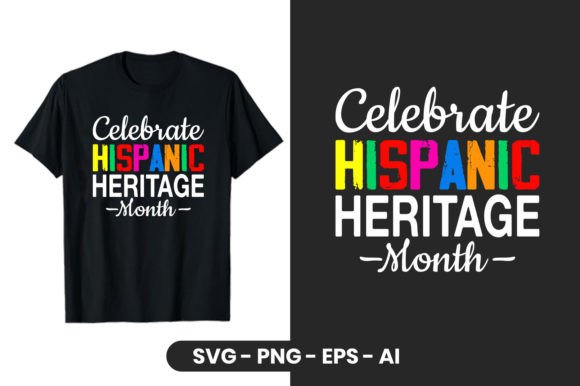
When I opened National Hispanic Heritage Month for the first time, I wasn’t scanning for “trendy” or “viral”—I was asking: Will this hold up under needle and thread? Visually, it lands with confident warmth—strong central typography, subtle cultural motifs (think stylized laurels, soft sunbursts, or rhythmic line work), and balanced negative space. It doesn’t shout; it invites. That’s a good sign. For embroidery designers and small shop owners, mood matters just as much as mechanics: this design feels celebratory without leaning into cliché, inclusive without oversimplifying, and crafted—not templated. It reads like a design made *for people*, not just pixels.
Where It Shines: Real Projects, Real Stitches
I tested National Hispanic Heritage Month on a custom embroidered canvas tote bag for a local community center’s heritage event—and it worked beautifully. The layout breathes well at 4.5 inches wide, letting satin-stitched lettering pop while supporting motifs stay legible in fill stitch. On medium-weight cotton twill, the stitch density felt even, with no pucker or thread nesting. I also ran it on a lightweight unisex sweatshirt: the design scaled cleanly down to 3.75 inches, keeping readability intact across the chest. That flexibility makes it strong for custom apparel, embroidered patches, and small shop product lines—especially for boutique branding or craft fair merchandise where consistency and clarity are non-negotiable.
For baby embroidery or nursery decor? Use caution. While the overall shape is friendly, some versions of this design include fine linework or tight kerning that may blur when stitched at under 2.5 inches. I’d recommend it for toddler tees or pillow covers—but skip newborn ones unless you’ve confirmed the file includes a simplified alternate version. Likewise, for holiday embroidery or personalized gifts (like embroidered tea towels for Día de los Muertos gatherings), it adds thoughtful resonance—especially when paired with neutral thread palettes like terracotta, deep cobalt, or cream.
Where to Pause: Texture, Scale, and Fabric Truths
National Hispanic Heritage Month isn’t built for every surface. On highly textured fabrics—like looped terry cloth or thick fleece—it loses definition in finer details. On stretchy knits (think jersey tees), stabilizer choice becomes critical: a cutaway + tear-away combo kept distortion in check, but a single lightweight stabilizer caused slight letter warping. And on dark fabric? Test thread contrast early. Some sublimation-influenced graphics assume light backgrounds—so if your black hoodie or navy apron is part of the plan, run a black-and-white mockup first to verify legibility.
Curved surfaces—caps, beanies, curved pockets—also ask more of this design. The horizontal emphasis works best on flat or gently contoured areas. If you’re planning sweatshirt embroidery on a ribbed cuff or a curved cap front, consider simplifying or repositioning key elements. Also note: dense fill areas (like solid sun motifs or layered banners) can trap moisture and stiffen fabric over time—fine for occasional wear items like tote bags or wall hangings, but less ideal for baby onesies meant for daily washing and softness.
What This Means for Your Craft Business
As an Etsy seller and embroidery educator, I judge designs by how they impact customer trust and handmade presentation. National Hispanic Heritage Month supports both—if used intentionally. Its clean structure translates well into printable mockups, helping buyers visualize finished products before purchase. That boosts conversion for digital embroidery file listings. But more importantly, its tone elevates perceived value: it doesn’t feel mass-produced or generic. When stitched onto a linen apron for a bilingual cooking class, or a cotton pillow cover for a multicultural nursery, it signals care—not convenience.
That said, don’t assume automatic commercial safety. The listing says “This design is the best for t-shirt Design The Mugs design as well any other purpose”—but “any other purpose” isn’t a license. If you’re selling finished embroidered products or reselling the digital file, confirm usage rights. Many graphics sold as T-Shirt Designs allow personal use only—or require extended licensing for resale. Check before you list that batch of embroidered patches on your small shop site.
Practical Notes Every Embroidery Designer Should Run
- Test first: Stitch on scrap fabric matching your final project’s weight, weave, and stretch.
- Check thread colors: Try warm neutrals (burnt sienna, olive, ochre) alongside classic navy or black—they often harmonize better than bright primaries.
- Review stitch density: Dense fills may need reduced density settings or alternate stitch types (e.g., stipple instead of solid fill) on delicate fabrics.
- Confirm hoop size: Most versions fit comfortably in a 5x7 hoop—but verify before hooping expensive garments.
- Inspect small details: Zoom in on corners, serifs, and connecting strokes. If they vanish at 3-inch scale, simplify or omit.
- Mock it light and dark: Use grayscale previews to assess contrast on black, navy, and heather gray bases.
- Stabilizer strategy: Medium-weight cutaway for stable wovens; fused tear-away + topping for knits or nap fabrics.
- Licensing check: Confirm whether this digital embroidery file permits commercial embroidery, resale of finished items, or redistribution as design assets.
Final Thought: A Thoughtful Tool, Not a One-Size Fix
National Hispanic Heritage Month isn’t flashy—but it’s reliable. It won’t dazzle with hyper-detailed florals or intricate lacework, and it’s not engineered for micro-embroidery on wristbands or socks. What it does offer is quiet professionalism: a design that respects its subject, serves its audience, and performs consistently across common embroidery project types—from community tote bags to boutique sweatshirts to heartfelt personalized gifts. For creative entrepreneurs, crafters, and apparel decorators, that kind of grounded utility is rare. Use it with intention, test with honesty, and let its warmth speak through the thread—not just the screen.