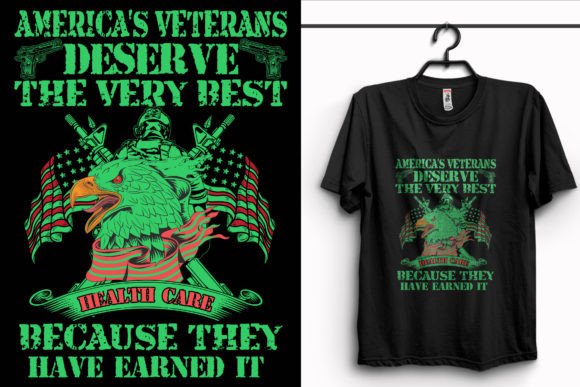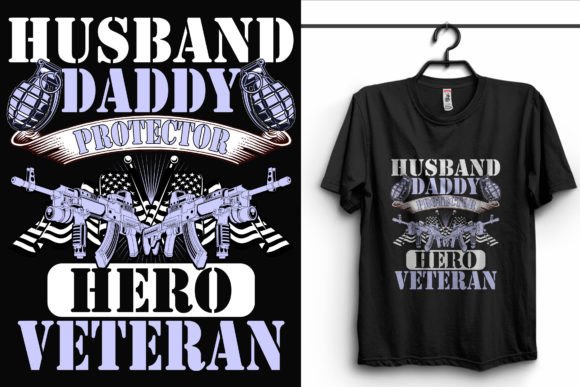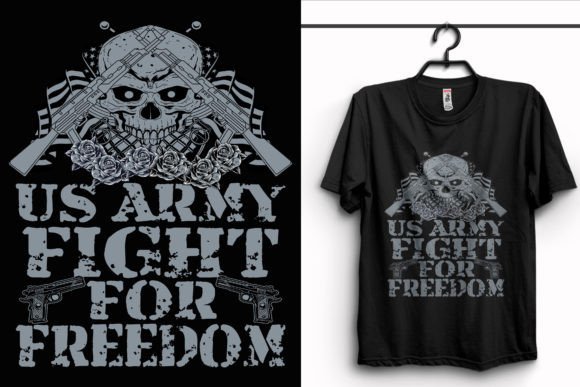
Us Army Fight Veteran T-Shirt Design
A Designer’s First Look: Bold, Respectful, and Ready for Real Fabric
When I opened the Us Army Fight Veteran T-Shirt Design files—SVG, AI, EPS, PNG, PDF, and three JPEGs—I wasn’t scanning for marketing buzzwords. I was checking for *embroiderability*. Does the layout breathe on fabric? Do the lines hold up at 2.5 inches wide? Is the visual weight balanced enough to anchor a chest pocket or center a tote bag? Right away, the composition feels grounded: strong horizontal rhythm, clear focal hierarchy, and restrained detail—not overloaded, not sparse. It reads as respectful rather than flashy, which matters deeply when translating military pride into stitch. This isn’t just graphics; it’s a statement meant to land with sincerity on a finished product.
How It Stitches in Practice: From Sweatshirt to Baby Onesie
Last week, I prepped this design for a custom embroidered sweatshirt order—navy French terry, medium-weight stabilizer, 60–70 stitches per inch fill. The Us Army Fight Veteran T-Shirt Design held up cleanly. No thread nesting in corners, no distortion in the star motif, and the lettering stayed legible at 3.25" wide. I also tested a scaled-down version (2.75") on a cotton baby onesie using lightweight cutaway stabilizer and 40-weight thread. It worked—but only because the original vector outlines were crisp and the spacing between elements wasn’t cramped. That’s critical: this design doesn’t force you to sacrifice clarity for size. It transitions well across categories—tote bag design, sweatshirt embroidery, embroidered patch, even a subtle kitchen towel monogram when simplified.
Where It Shines—and Where to Pause
The Us Army Fight Veteran T-Shirt Design excels on stable, medium-to-heavy fabrics: canvas totes, structured caps, twill aprons, and fleece blankets. Its clean vector geometry (noted in the “100 vecto” detail) means sharp edges stay sharp after digitizing, and color changes are intuitive—especially helpful if you’re building printable mockups or offering clients thread-swapped options. But caution applies on stretchy knits or thin poly-blends: the denser areas (like the shield outline or banner fill) may pucker without proper stabilization and reduced stitch density. On dark fabric, contrast is strong—but test your thread colors first. A charcoal gray satin stitch over black can disappear unless you add an underlay or switch to bright white or gold.
Real-World Fit: What This Design *Actually* Sells
- Small shop product: Ideal for veteran-owned boutiques or patriotic gift shops—especially paired with high-quality blanks and thoughtful packaging.
- Etsy seller asset: Works well as a digital embroidery file listing when bundled with usage tips (e.g., “Best for medium-hoop projects, 4–5” minimum”) and real-stitch photos.
- Personalized gift: Adds gravitas to a holiday embroidery project—a father’s Day pillow cover, a retirement blanket, or a framed embroidered patch for a display case.
- Craft fair merchandise: Stands out on navy or olive apparel but loses impact on busy prints or textured jacquards—stick to solid backgrounds.
Design Integrity Meets Customer Trust
Customers don’t buy pixels—they buy meaning made tangible. When someone orders a custom embroidered item featuring the Us Army Fight Veteran T-Shirt Design, they’re trusting you to honor intent *and* execution. A sloppy stitch-out undermines that trust faster than any typo. This design supports professionalism because its proportions are generous, its negative space intentional, and its vector foundation reliable for resizing. That translates directly to brand consistency—if you use it across multiple products (tote + cap + tea towel), the look stays cohesive without manual tweaking. It also boosts giftability: clean lines read as handmade with care, not rushed production.
Practical Notes Every Embroidery Designer Should Check
- Test on scrap fabric first—especially if stitching on curved surfaces like caps or layered garments like hoodies.
- Review stitch density before sending to machine; dense fills may require reduced speed or additional stabilizer on delicate fabrics.
- Confirm hoop size compatibility; while the design scales well, extremely tight hoops (<4”) may require simplifying small details manually.
- Inspect tiny lettering and fine borders in both black-and-white and color mockups—what looks sharp on screen may blur in satin stitch.
- Compare light vs. dark fabric backgrounds using actual thread swatches—not just screen previews.
- Use proper stabilizer: medium cutaway for knits, tear-away for stable wovens, and fusible for lightweight linens.
- Verify licensing before selling finished items or reselling the digital embroidery file—this affects Etsy sellers and craft businesses most directly.
Final Thought: A Design That Earns Its Place
The Us Army Fight Veteran T-Shirt Design isn’t flashy—it’s functional with feeling. It doesn’t shout; it stands. As a machine embroidery design, it respects the craft: no hidden traps in the vector paths, no misleading DPI claims (the 300 DPI RGB and 4500×5400 dimensions mean it scales cleanly for both print and embroidery prep), and enough format variety to fit nearly any workflow—whether you’re prepping an applique design in Illustrator or dropping a PNG into your embroidery software. For creative entrepreneurs who value clarity, dignity, and real-world performance over trend-chasing, this is a quiet keeper. Use it where intention matters—and let the stitch do the rest.