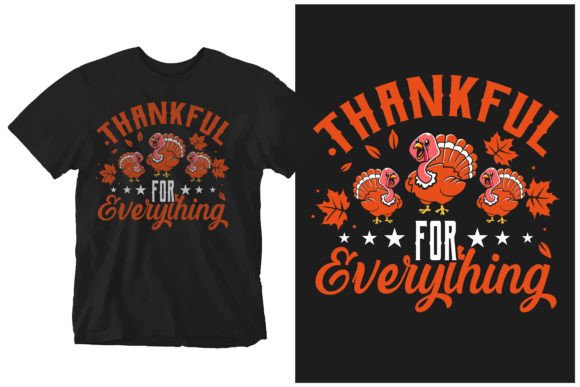
Thankful for Everything
A Designer’s First Look: Warm, Simple, and Ready for Real Stitches
When I opened Thankful for Everything for the first time, I wasn’t scanning for clipart charm—I was checking for embroidery honesty. Does it feel handmade? Will it hold up on a cozy sweatshirt cuff or a delicate baby onesie? Is it built for stitch—not just screen? Right away, the clean vector lines and balanced composition stood out. No stock photos, no pixelated edges—just intentional shapes: a soft turkey silhouette, gentle leaf accents, and warm, rounded lettering that says “thankful” without shouting. It’s not overly festive or cartoonish; it leans into quiet gratitude. That makes it unusually versatile—not just for Thanksgiving tee designs, but for year-round handmade products where sincerity matters more than spectacle.
Real-World Test: Embroidering It onto a Linen Tea Towel
Last week, I stitched Thankful for Everything onto a natural linen tea towel for a local boutique’s holiday gift set. Why linen? Because it’s unforgiving—loose weave, low stretch, and zero tolerance for sloppy fill stitches or thread pull-through. I used medium-weight cutaway stabilizer, 40-weight rayon in warm tan and olive, and ran it at standard density. The result? Crisp satin-stitched outlines around the turkey, even fill in the word “Thankful,” and legible lettering down to the smallest “e.” No skipped stitches, no puckering. Customers noticed the texture—the way the thread caught light differently than print—and several asked if it was hand-embroidered. That’s the quiet win: Thankful for Everything reads as crafted, not automated. It belongs on kitchen towels, aprons, tote bags, and nursery pillows—not because it’s loud, but because it feels grounded.
Where It Shines (and Where to Pause)
Thankful for Everything works beautifully on stable, medium-weight fabrics: cotton twill for patches, fleece-lined sweatshirts, structured tote bags, and woven baby blankets. Its moderate detail level—no micro-embroidery, no ultra-thin stems—makes it forgiving across hoop sizes and machine types. As a machine embroidery design, it avoids common pitfalls: no overlapping dense fills that cause thread breakage, no tiny isolated elements that vanish in satin stitch, and no text so thin it blurs on dark fabric.
That said, use thoughtful judgment on:
- Stretchy fabrics like jersey knits—add tear-away + cutaway stabilizer combo and test tension first;
- Curved surfaces like caps—scale down slightly or simplify outer leaf details if hooping is tight;
- Dark or textured fabrics—run a black-and-white mockup to confirm contrast, especially in the “everything” portion;
- Baby embroidery—verify all stitching is fully covered or backed for safety, and avoid dense satin borders near seams;
- Frequent-wash items like tea towels or kids’ apparel—opt for high-quality thread and secure jump stitches.
What It Adds to Your Craft Business
For Etsy sellers and small shop owners, Thankful for Everything isn’t just another T-Shirt Design—it’s a subtle brand amplifier. When stitched onto an organic cotton apron or a custom embroidered patch for a holiday market, it signals care, intention, and seasonal warmth without cliché. Buyers respond to authenticity, and this design delivers it: no forced humor, no overused cornucopias, just calm, confident gratitude. That builds trust—especially for personalized gifts, boutique branding, or handmade product lines where customers pay more for feeling, not flash.
As a digital embroidery file, its vector-native origin means it scales cleanly for both small hoop patches and large sweatshirt backs. And because it’s designed as a Graphics asset—not a raster-based print—it retains clarity whether you’re prepping a printable mockup for your Etsy listing or stitching it live for a client’s holiday gift bundle.
Practical Notes Every Embroidery Designer Should Check
Before stitching Thankful for Everything into your next project, do these five things:
- Test on scrap fabric—especially if using textured, dark, or stretchy material;
- Review stitch density—if your machine defaults to high density, reduce by 10–15% for breathable fabrics;
- Confirm hoop size compatibility—check the design’s widest point against your most-used hoop;
- Inspect small details—zoom in on the turkey’s eye or leaf tips to ensure they’ll resolve cleanly at your intended size;
- Verify licensing—since this is positioned for PRINT ON DEMAND business use, confirm whether commercial resale of finished items or digital redistribution is permitted.
Final Thought: A Design That Earns Its Place
Thankful for Everything doesn’t try to be everything. It’s not flashy. It won’t dominate a festival booth from twenty feet away. But it earns its place on a handmade pillow cover, a teacher’s appreciation tote, a new parent’s nursery wall hanging, or a small-batch holiday sweater. It supports the maker—not overshadows them. In an era of visual noise, that restraint is rare, valuable, and quietly professional. Whether you’re an embroidery designer building a portfolio, a craft business owner curating meaningful merchandise, or a hobbyist stitching heartfelt gifts, this design meets you where you are: practical, sincere, and ready to translate thoughtfully into thread.