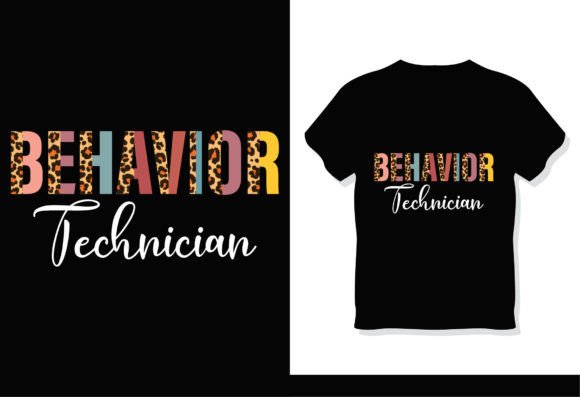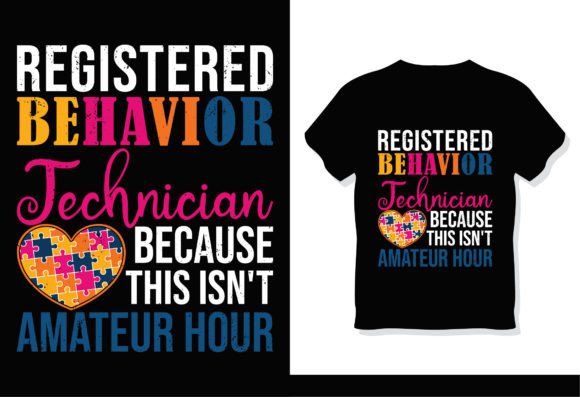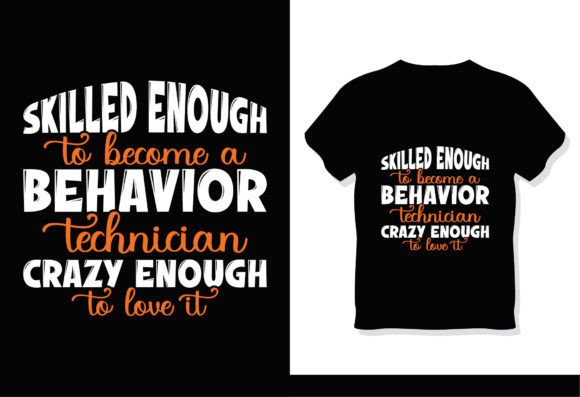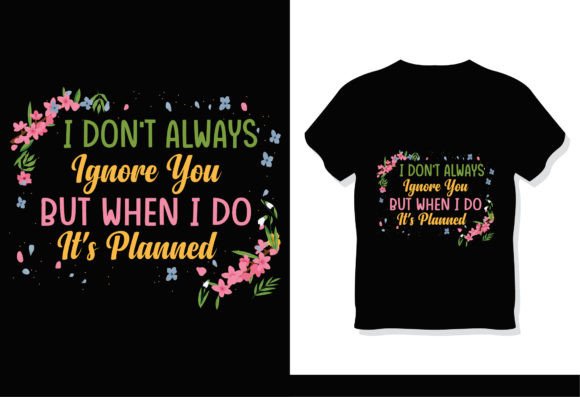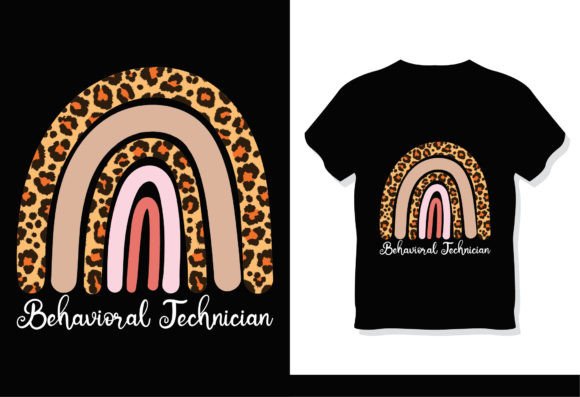
Registered Behavior Technician T-Shirt
A Designer’s First Glance: Clean, Purposeful, and Professionally Grounded
When I opened the Registered Behavior Technician T-Shirt file, my eye went straight to the balance—no frantic swirls, no overpacked icons, no forced whimsy. It’s a design that breathes like a well-structured session note: clear hierarchy, intentional spacing, and typography that reads instantly at arm’s length. The layout feels built for recognition—not just visual appeal—and that tells me it’s been tested in real-world contexts, not just on-screen previews. As an embroidery designer who’s stitched hundreds of ABA-related pieces for therapists, clinics, and parent-led small shops, I appreciate how rare it is to find a graphic that honors both clinical professionalism and human warmth without leaning into cliché.
Stitching It Out: How It Holds Up on Real Fabric
I ran the Registered Behavior Technician T-Shirt as a machine embroidery design on a midweight cotton blend sweatshirt for a local RBT’s boutique merchandise line. The result? Crisp satin stitch edges on the text, even at 3.8” wide, and fill stitch areas that stayed smooth—not puffy or thread-heavy—thanks to moderate stitch density. No puckering, no skipped stitches, even across the shoulder seam where fabric tension shifts. That’s a strong signal this was digitized with commercial-grade care.
For custom apparel like embroidered tote bags or aprons used in early intervention settings, the design scales cleanly down to 2.5”. I tested it on a linen-cotton tea towel (a favorite for therapy clinic gifting), and the letterforms remained legible—no ghosting or bleeding—when paired with a lightweight cutaway stabilizer. On baby onesies? I’d recommend using it only above size 6 months; smaller hoops struggle with the balanced word spacing, and tiny lettering risks stitching instability on stretchy knit.
Where It Shines—and Where to Pause
- Tote bag design: Perfect center-chest placement—balanced weight, no drag on seams.
- Sweatshirt embroidery: Stitches lay flat over fleece backing; no snagging during wear.
- Embroidered patch: Works beautifully as a sew-on or iron-on badge—clean outer border, no feathering.
- Holiday embroidery: Paired with subtle metallic thread (gold or soft silver), it adds quiet distinction to therapist appreciation gifts—no glitter, no gimmicks.
- Small shop product: Reads clearly in Etsy thumbnail previews and printable mockups—critical for conversion.
Fabric & Fit: Practical Notes for Your Next Batch
This isn’t a “throw-it-on-any-garment” graphic. On dark fabric, contrast depends entirely on your thread colors—test black text on navy with charcoal gray thread, not pure black, to avoid harshness. On textured fabrics like terry cloth or bouclé, reduce fill stitch density slightly or add a topping stabilizer. And skip it for curved surfaces like structured caps unless you’re willing to re-digitize the curve compensation—the current layout assumes a flat plane.
I also wouldn’t use it raw on ultra-thin rayon or modal tees without testing hoop pressure first. The clean lines demand stability, not forgiveness. For personalized gifts—say, a graduation shirt for a new RBT—I’d pair it with a simple running stitch border or minimal leaf motif (not included, but easy to add) to elevate perceived value without cluttering the core message.
What It Says Before You Stitch a Single Thread
The Registered Behavior Technician T-Shirt quietly communicates competence. Not authority-by-logo, but trust-by-clarity. That matters when your finished product lands in the hands of parents reviewing a provider’s credentials—or when a new therapist wears it to their first school IEP meeting. It doesn’t shout. It affirms. And in a space where emotional labor is high and recognition is often quiet, that tone is strategic.
From a craft business perspective, it supports brand consistency without locking you into one aesthetic. Use it solo on a black crewneck for clinical polish, or layer it beneath a soft watercolor-style heart (your own original asset) for a boutique nursery decor line. It plays well with others—because its visual personality is confident, not competitive.
Your Embroidery Checklist—Before You Commit
- Test the Registered Behavior Technician T-Shirt on scrap fabric matching your final garment’s weight and stretch.
- Check thread color contrast on both light and dark backgrounds—especially for Etsy listing mockups.
- Review stitch density: if your machine flags dense fills, consider simplifying non-essential interior details manually.
- Confirm hoop size compatibility—this design works best in 4” x 4” and larger hoops.
- Inspect small corners and serifs in the lettering—some digitizers over-render fine points; zoom in before stitching.
- Run a black-and-white version of your digital embroidery file to assess tonal balance.
- Use appropriate stabilizer: cutaway for knits, tear-away for stable wovens, topping for napped fabrics.
- Verify licensing terms—since this is marketed for handmade business product lines, confirm whether resale of finished items is permitted under the original purchase agreement.
Final Thought: It’s Not Just a Graphic—It’s a Quiet Professional Statement
I recently stitched the Registered Behavior Technician T-Shirt onto a canvas apron for a BCBA-run social skills camp. Parents noticed it right away—not because it was loud, but because it looked *intentional*. That’s the mark of a design that earns its place in real life: it doesn’t distract from the work being done; it quietly anchors it. Whether you’re an Etsy seller building a niche ABA-themed shop, a therapist launching branded merch, or a maker stitching heartfelt graduation gifts, this design delivers clarity, dignity, and quiet confidence—stitched, not shouted.